
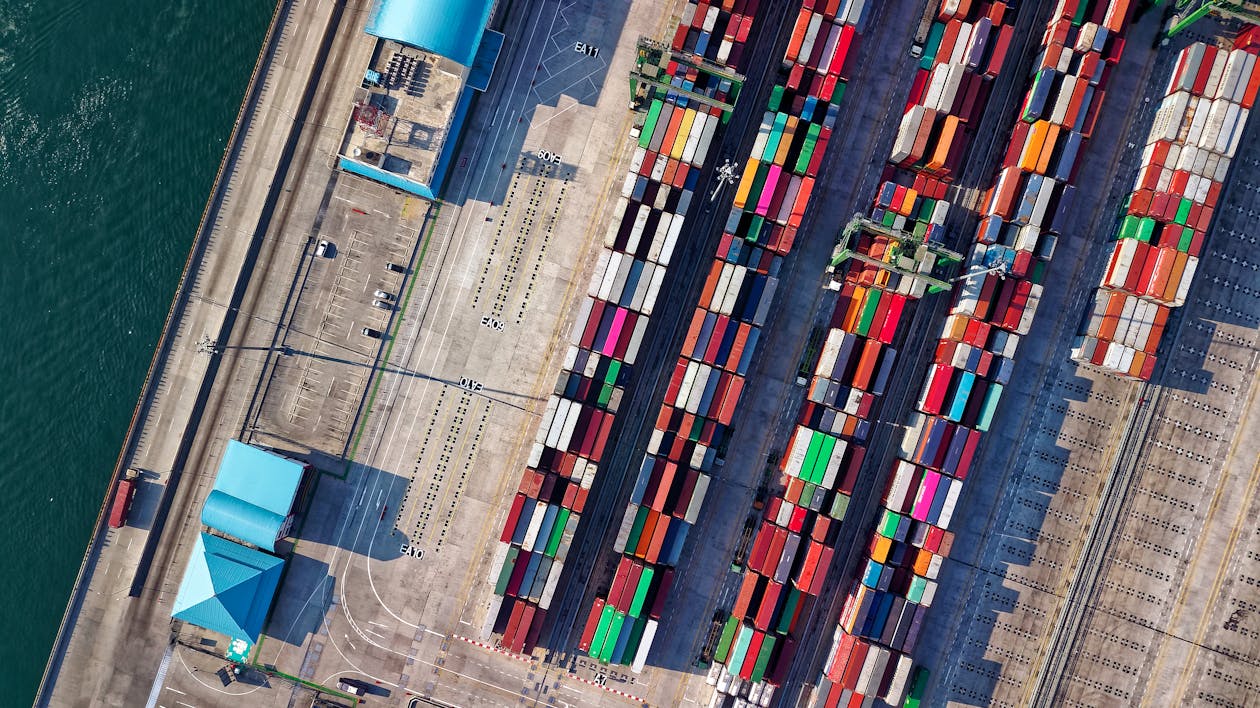
In the wake of unprecedented global supply chain disruptions, companies worldwide are scrambling to reassess and revamp their logistics strategies. The COVID-19 pandemic, geopolitical tensions, natural disasters, and labor shortages have collectively thrown a wrench into the intricate machinery of global trade, forcing businesses to confront the vulnerabilities exposed by these challenges.
At the heart of the issue lies the complex network of interconnected suppliers, manufacturers, distributors, and retailers that constitute the modern supply chain. Traditionally, companies have prioritized efficiency and cost-effectiveness, often opting for lean, streamlined operations to minimize overheads and maximize profits. However, the events of the past few years have laid bare the inherent risks associated with such a model, prompting a paradigm shift in how businesses approach logistics.
One of the primary drivers of supply chain disruptions has been the COVID-19 pandemic. Lockdowns, travel restrictions, and border closures imposed to contain the spread of the virus have severely disrupted the flow of goods and materials across borders. Manufacturing plants were forced to shut down, ports experienced congestion, and transportation networks ground to a halt, causing delays and bottlenecks at every stage of the supply chain.
Moreover, the pandemic exposed the overreliance of many companies on a handful of suppliers, particularly those located in regions heavily impacted by the virus. The sudden closure of factories in countries like China, a manufacturing powerhouse, sent shockwaves throughout the global economy, highlighting the fragility of supply chains built on single-source dependencies.
Geopolitical tensions have further exacerbated supply chain woes, as trade disputes and tariffs between major economies have disrupted established trade routes and strained diplomatic relations. The U.S.-China trade war, Brexit, and sanctions against countries like Russia and Iran have all contributed to the uncertainty and instability plaguing international trade, prompting companies to reevaluate their sourcing strategies and diversify their supplier base.
Natural disasters, ranging from wildfires and hurricanes to earthquakes and floods, have also taken their toll on supply chains, disrupting production, transportation, and distribution networks with devastating consequences. The increasing frequency and intensity of these events, attributed in part to climate change, have underscored the need for businesses to build resilience and flexibility into their supply chain operations.
Labor shortages have emerged as another significant challenge, particularly in industries reliant on manual labor, such as manufacturing, agriculture, and logistics. The pandemic-induced exodus of workers from the workforce, coupled with demographic shifts and changing attitudes towards work, has created a scarcity of skilled workers in many parts of the world, leading to production delays and capacity constraints.
Faced with these myriad challenges, companies are being forced to rethink their approach to logistics and supply chain management. Many are prioritizing resilience over efficiency, opting to diversify their supplier base, establish redundant production facilities, and stockpile critical components to mitigate the impact of future disruptions. Additionally, there is a growing emphasis on transparency and collaboration within supply chains, as companies seek to forge closer partnerships with suppliers, share information, and jointly develop contingency plans.
Technological innovation is also playing a crucial role in transforming supply chain operations, with companies increasingly turning to digital solutions such as blockchain, artificial intelligence, and Internet of Things (IoT) to enhance visibility, traceability, and predictive analytics. These technologies enable real-time monitoring of inventory levels, shipment tracking, and demand forecasting, empowering companies to make data-driven decisions and respond swiftly to changing market dynamics.
Furthermore, the concept of "nearshoring" is gaining traction, as companies look to bring production closer to home to reduce reliance on distant suppliers and minimize transportation costs and lead times. This trend towards localization represents a departure from the decades-long trend of offshoring manufacturing to low-cost labor markets, signaling a shift towards more regionalized and resilient supply chains.
In the midst of these disruptions, governments and international organizations are also stepping up efforts to address the root causes of supply chain vulnerabilities and promote greater cooperation and coordination among stakeholders. Initiatives such as the World Trade Organization's Trade Facilitation Agreement and the United Nations' Sustainable Development Goals are aimed at promoting trade liberalization, infrastructure development, and sustainable practices to foster economic growth and resilience.
However, the road ahead remains fraught with challenges, as companies navigate an increasingly volatile and uncertain business landscape. The lessons learned from the recent wave of supply chain disruptions serve as a sobering reminder of the importance of adaptability, agility, and foresight in building resilient and sustainable supply chains that can withstand the shocks and stresses of an ever-changing world. As companies continue to rethink their logistics strategies in response to these challenges, one thing is clear: the era of business as usual is over, and the future belongs to those who dare to innovate and evolve in the face of adversity.


0 Comments