
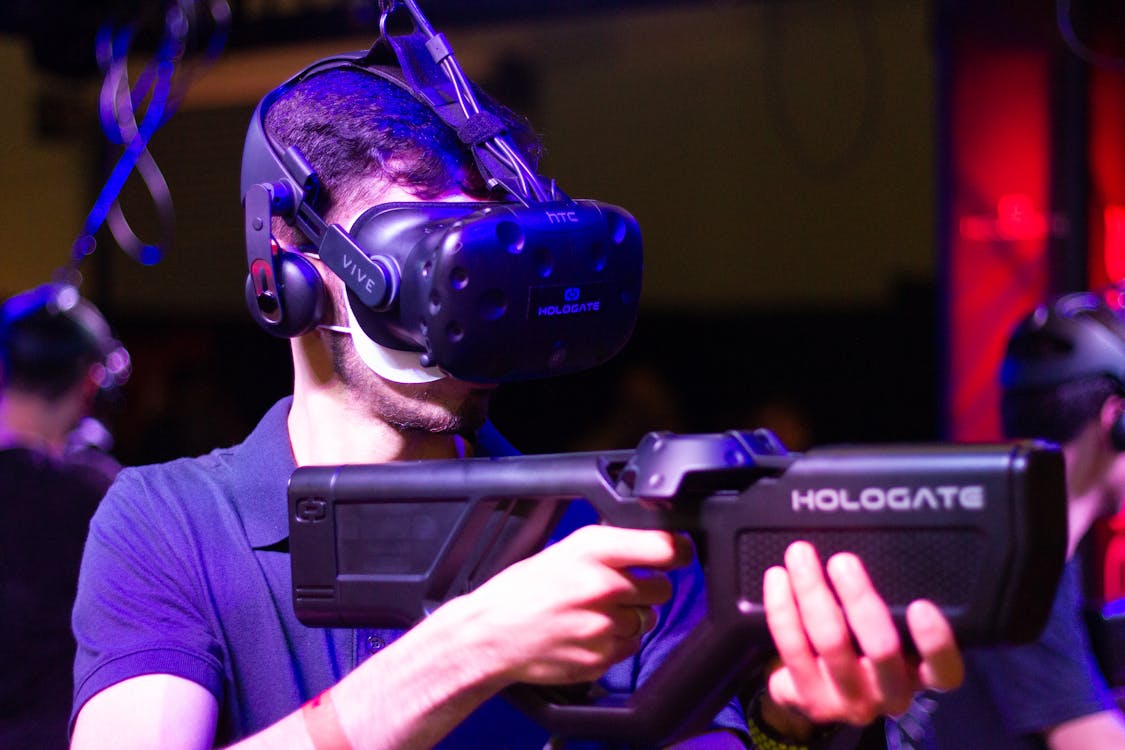
In the wake of the digital age, where technology has become an integral part of our lives, the education sector is undergoing a profound transformation. Schools across the globe are embracing innovative methods to enhance student engagement and learning outcomes, particularly in the realm of remote education. Among these groundbreaking innovations, the adoption of virtual reality (VR) labs stands out as a game-changer in the landscape of education.
In a small suburban town nestled in the heart of the United States, Maplewood High School has emerged as a pioneer in revolutionizing remote learning through the integration of VR technology. Walking through the corridors of Maplewood, one can witness the buzz of excitement among students as they eagerly anticipate their next VR session.
Inside the school's state-of-the-art VR lab, students don sleek headsets and step into a world of limitless possibilities. From exploring ancient civilizations to dissecting virtual organisms, the immersive nature of VR transports students beyond the confines of traditional classrooms, igniting their curiosity and passion for learning.
The brainchild behind Maplewood's VR initiative is Dr. Emily Carter, an innovative educator with a vision for leveraging technology to redefine the educational experience. "Virtual reality has the power to revolutionize education by providing students with immersive learning environments that cater to diverse learning styles," Dr. Carter remarks. "Our goal is to cultivate a deep sense of engagement and curiosity among students, fostering a love for learning that extends beyond the confines of the classroom."
The impact of Maplewood's VR labs is palpable, with students reporting heightened levels of enthusiasm and motivation towards their studies. Sarah Johnson, a junior at Maplewood, shares her experience, "VR has completely transformed the way I approach learning. Instead of passively absorbing information from textbooks, I now have the opportunity to actively immerse myself in educational experiences that make learning come alive."
Beyond the walls of Maplewood High School, the adoption of VR technology in education is gaining traction on a global scale. In countries across Europe and Asia, schools are embracing VR as a tool to enhance student engagement and academic performance. From virtual field trips to interactive simulations, educators are harnessing the potential of VR to create dynamic learning environments that cater to the needs of 21st-century learners.
One notable example is the Virtual Learning Initiative spearheaded by the Ministry of Education in Singapore. Recognizing the need to adapt to the changing educational landscape, Singapore has invested heavily in integrating VR technology into the national curriculum. Through strategic partnerships with technology companies and educational institutions, Singapore aims to equip students with the skills and knowledge needed to thrive in an increasingly digital world.
The benefits of VR in education extend beyond academic enrichment, with studies indicating positive effects on student retention and comprehension. Dr. Michael Chang, a leading researcher in educational technology, emphasizes the transformative potential of VR in learning. "Virtual reality offers a multisensory approach to education, allowing students to engage with content in a way that is both immersive and interactive," Dr. Chang explains. "By appealing to visual, auditory, and kinesthetic learners, VR caters to diverse learning styles, thereby enhancing student retention and comprehension."
Despite the myriad advantages of VR technology, challenges remain in ensuring equitable access and effective integration into curricula. Limited access to VR hardware and software, coupled with concerns about screen time and digital literacy, pose significant barriers to widespread adoption in schools. Moreover, educators require adequate training and support to leverage VR effectively as a pedagogical tool, underscoring the importance of ongoing professional development initiatives.
In response to these challenges, organizations such as the Global Virtual Reality Association (GVRA) are working to promote best practices and standards for the use of VR in education. By fostering collaboration among industry stakeholders, GVRA seeks to democratize access to VR technology and empower educators with the knowledge and resources needed to harness its full potential.
Looking ahead, the future of education lies at the intersection of technology and pedagogy, with virtual reality poised to play a central role in shaping the educational landscape of tomorrow. As schools continue to embrace innovative solutions to meet the evolving needs of students, VR stands out as a transformative tool for inspiring curiosity, fostering creativity, and unlocking the limitless potential of learners around the world.


0 Comments