
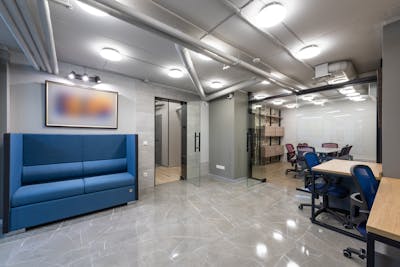
In a world transformed by the pandemic, where remote work has become the new norm, the once bustling office spaces are facing a profound transformation. The shift towards remote work, once seen as a temporary measure, has now become a permanent fixture in the corporate landscape. As a result, the commercial real estate sector is undergoing a significant evolution to adapt to the changing demands of businesses and employees alike.
At the onset of the COVID-19 pandemic, companies were forced to quickly pivot to remote work arrangements to ensure business continuity while prioritizing employee safety. What was initially perceived as a short-term solution soon revealed its long-term viability and benefits. Employees discovered the convenience and flexibility of working from home, while companies realized cost savings associated with reduced office space requirements.
The remote work revolution has fundamentally altered the traditional office dynamic. Gone are the days of crowded cubicles and lengthy commutes. Instead, employees now have the freedom to work from the comfort of their homes, coffee shops, or co-working spaces. This newfound flexibility has not only improved work-life balance but has also boosted productivity and morale among employees.
However, as remote work continues to gain traction, the demand for traditional office spaces has experienced a seismic shift. With fewer employees commuting to centralized office locations, companies are reassessing their real estate needs. Many are opting to downsize their office footprints or transition to flexible, shared workspaces that better accommodate a hybrid workforce.
Commercial real estate developers and landlords are keenly aware of this shifting landscape and are proactively adapting to meet the evolving needs of their tenants. Flexibility is key, with many landlords offering shorter lease terms and customizable office configurations to cater to the changing demands of tenants. Co-working spaces, once viewed as a niche market, have now become mainstream, providing businesses with the agility to scale up or down as needed.
Moreover, the design and amenities of office spaces are undergoing a renaissance to align with the preferences of remote workers. The focus is no longer solely on maximizing square footage but rather on creating collaborative, engaging environments that foster creativity and innovation. Wellness amenities such as onsite gyms, outdoor spaces, and healthy food options are increasingly prioritized to enhance employee satisfaction and retention.
Technology also plays a pivotal role in shaping the future of office spaces. As remote work becomes more prevalent, companies are investing in advanced collaboration tools and virtual meeting platforms to facilitate seamless communication and collaboration among distributed teams. Smart building technologies are also being integrated to optimize energy efficiency, improve security, and enhance the overall workplace experience.
However, the transition to remote work is not without its challenges. For some industries and job roles, the physical presence in an office environment remains essential. Moreover, the lack of face-to-face interaction can hinder spontaneous creativity and social cohesion among team members. As such, striking the right balance between remote and in-person work is crucial for fostering a dynamic and inclusive work culture.
Despite these challenges, the remote work revolution presents a unique opportunity for businesses to reimagine the future of work and office spaces. By embracing flexibility, innovation, and technology, companies can create environments that empower employees to thrive, regardless of their physical location. The commercial real estate sector, in turn, must continue to adapt and evolve to meet the evolving needs of the workforce in this new era of remote work.


0 Comments